The Science Behind Fixing Your Slice - Performance Golf Zone
Performance Golf Zone
Biomechanics Golf Instruction
The Science Behind Fixing Your Slice - Performance Golf Zone
Ever wonder why you slice? Not just what to do about it, but the actual physics and biomechanics behind it? Understanding the science can help you fix your slice more effectively and permanently.
Performance Golf Zone takes a scientific approach to golf instruction, explaining the biomechanics behind the slice and providing evidence-based solutions. This isn't just "do this" instruction—it's "here's why this works" education.
By understanding the science, you'll:
- Know exactly why you slice
- Understand which fixes work and why
- Make more informed practice decisions
- Fix your slice more permanently
Let's dive into the science.
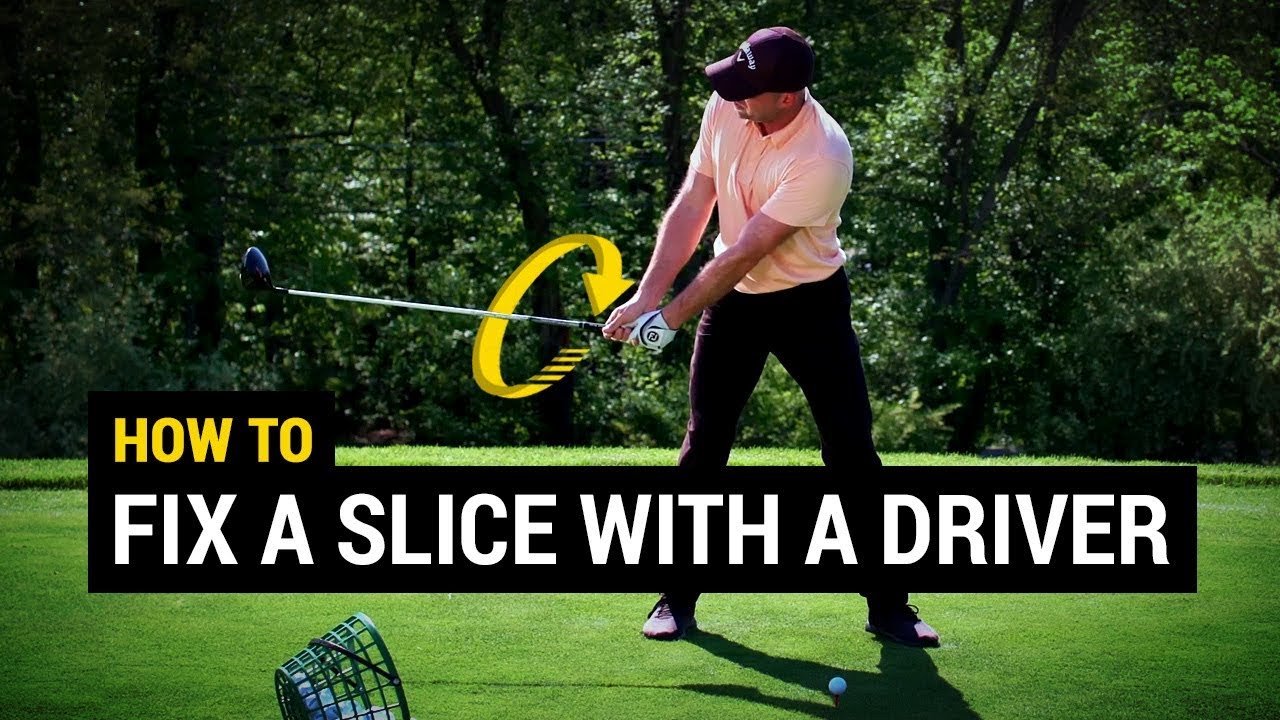
What Causes a Golf Slice? (The Science)
A slice is caused by sidespin created when the clubface is open relative to the swing path at impact. But let's break down the physics and biomechanics.
The Physics:
When your clubface is open relative to your swing path, it creates clockwise spin (for right-handed golfers). This spin causes the ball to curve from left to right due to the Magnus effect—the same principle that makes a curveball curve in baseball.
The Biomechanics:
Your body's movement patterns create the swing path and clubface angle:
- Hip rotation timing - If your hips don't rotate early enough, your upper body compensates, creating an outside-in path
- Shoulder plane - Steep shoulders promote an outside-in path
- Wrist angles - Weak wrist angles make it hard to square the clubface
- Weight transfer - Poor weight transfer affects your ability to rotate properly
Why Understanding This Matters:
When you understand the biomechanics, you can:
- Identify the root cause of your specific slice
- Choose the right fix for your body type and swing
- Practice more effectively
- Make lasting changes
Key Takeaways from Performance Golf Zone's Method
The scientific approach reveals:
- Biomechanics matter - Your body's movement patterns create your swing path
- Timing is crucial - The sequence of movements determines path and face angle
- One size doesn't fit all - Different body types need different approaches
- Understanding "why" helps - Knowing the science makes fixes stick
- Practice with purpose - Scientific understanding improves practice quality
Performance Golf Zone
Biomechanics Golf Instruction
Step-by-Step Breakdown (The Scientific Method)
Step 1: Analyze Your Current Pattern
What to do:
- Record your swing from face-on and down-the-line
- Identify where your path is coming from (outside-in, inside-out, or straight)
- Check your clubface angle at impact (open, square, or closed)
- Note your body positions at key moments
Why it works: You can't fix what you don't understand. Analysis reveals the root cause.
What to look for:
- Is your path outside-in? (Most common)
- Is your clubface open at impact?
- Are your hips clearing before impact?
- Is your weight transferring properly?
Step 2: Fix the Root Cause (Biomechanics)
What to do:
- If your path is outside-in, focus on hip rotation timing
- Start your downswing with your lower body
- Let your hips clear before your arms come through
- Feel your body rotating, not sliding
Why it works: Fixing the biomechanics fixes the path. When your body moves correctly, your swing path follows.
The science: Early hip rotation creates space for your arms to swing from inside-out. Late hip rotation forces your arms to come over the top.
Step 3: Square the Clubface (Wrist Angles)
What to do:
- Check your grip strength (affects wrist angles)
- Feel your wrists maintaining angles through impact
- Let your body rotation square the face, not your hands
- Practice with impact bag to feel correct wrist position
Why it works: Proper wrist angles allow the clubface to square naturally through impact. Manipulating with your hands is inconsistent.
The science: Wrist angles determine clubface angle. Proper angles + body rotation = square face at impact.
Step 4: Sequence Your Movements (Timing)
What to do:
- Start downswing with weight shift to left side
- Rotate hips next
- Let shoulders follow
- Arms and club come last
Why it works: Proper sequence creates an inside-out path automatically. Wrong sequence creates an outside-in path.
The science: Kinetic chain—energy transfers from ground up through your body. Proper sequence maximizes power and creates correct path.
Step 5: Practice with Feedback
What to do:
- Use alignment sticks to see your path
- Use impact bag to feel correct positions
- Record your swing regularly to track progress
- Focus on one thing at a time
Why it works: Feedback accelerates learning. You can't feel what you can't see.
The science: Motor learning requires feedback. Visual and kinesthetic feedback create faster, more permanent changes.
Take This Tip to the Course — Free
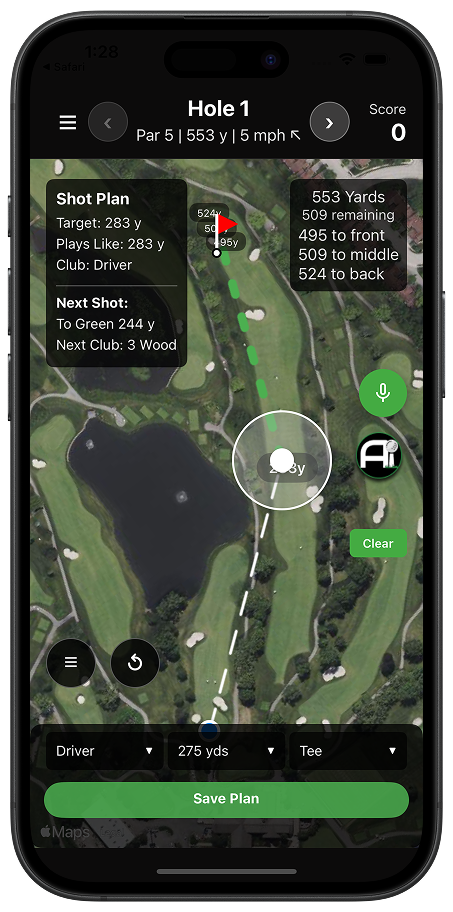
ParPal's AI caddie tells you when to use this technique and tracks whether it's actually lowering your scores. Download it now and it's working for you on your very next round.
Get ParPal FreeFree · iPhone & Android · Set up in about 30 seconds
Drills to Practice This Technique
Drill 1: Hip Rotation Timing Drill
Equipment: Alignment stick, your 7-iron
How to do it:
- Place an alignment stick across your hips
- Practice starting your downswing by rotating your hips first
- Feel your hips clearing before your arms come through
- The stick should rotate with your hips, not slide
Reps: 20-30 swings
Success marker: Your hips rotate before your arms move. You feel your body leading, not your arms.
The science: Early hip rotation creates space for inside-out path. This drill trains the correct timing.
Drill 2: Wrist Angle Drill
Equipment: Impact bag, your driver
How to do it:
- Set up to the impact bag
- Focus on maintaining your wrist angles through impact
- Feel your body rotation squaring the face, not your hands
- Hit the bag with your hands ahead of the clubhead
Reps: 20-30 swings
Success marker: You feel your wrists maintaining angles. The bag moves forward, not to the right.
The science: Proper wrist angles allow natural squaring. This drill trains the feel.
Drill 3: Sequence Drill
Equipment: Your 7-iron
How to do it:
- Make slow-motion swings focusing on sequence
- Feel: weight shift → hip rotation → shoulder turn → arm swing
- Gradually increase speed as sequence becomes natural
- Record yourself to verify sequence
Reps: 15-20 slow swings, then 10-15 at normal speed
Success marker: You can feel each part of the sequence. Your swing feels connected and powerful.
The science: Proper sequence creates correct path and maximizes power. This drill trains the kinetic chain.
Common Mistakes When Trying This Fix
-
Focusing on symptoms, not causes - Don't just try to square the face. Fix the path that's causing the open face.
-
Ignoring biomechanics - Your body's movement patterns create your swing. Fix the patterns, not just the swing.
-
Trying to fix everything at once - Focus on one thing. Master it, then move on.
-
Not using feedback - You can't feel what you're doing wrong. Use video, alignment sticks, and impact bag.
-
Rushing the process - Biomechanical changes take time. Be patient and consistent.
Scientific Troubleshooting:
- Still slicing? Check your hip rotation timing—it's usually the root cause.
- Hooking now? Your grip might be too strong, or you're rotating too early.
- Inconsistent? You're likely manipulating with your hands. Focus on body rotation.
30 Seconds to Better Golf
Download ParPal, open it on the tee, and get GPS yardages, wind-adjusted distances, and the smart club call—before your first swing.
Get ParPal FreeFree · iPhone & Android · Set up in about 30 seconds
Frequently Asked Questions
Why does understanding the science help?
Understanding the science helps you:
- Identify the root cause of your specific slice
- Choose the right fix for your body type
- Practice more effectively
- Make lasting changes
How long does it take to change biomechanics?
Biomechanical changes typically take 4-6 weeks of consistent practice. However, you'll see improvement within 2-3 weeks. The key is quality practice with feedback.
Do I need special equipment?
No. Alignment sticks and an impact bag help, but you can practice with just your clubs. The key is understanding what you're trying to achieve.
What if I have physical limitations?
If you have physical limitations, focus on what you can change. A PGA professional can help you adapt the techniques to your body.
Can I fix my slice without understanding the science?
Yes, but understanding the science makes fixes stick. When you know why something works, you're more likely to practice it correctly.
Summary: Your Scientific Action Plan
Understanding the science behind the slice helps you fix it more effectively:
The Science:
- Biomechanics create your swing path
- Timing determines path and face angle
- Proper sequence creates inside-out path
- Feedback accelerates learning
Your Practice Plan:
- Week 1: Analyze your current pattern. Use video and alignment sticks.
- Week 2: Focus on hip rotation timing. Use the hip rotation drill.
- Week 3: Work on wrist angles. Use the impact bag drill.
- Week 4: Combine everything. Focus on sequence and feedback.
Remember: Understanding the science makes fixes stick. Focus on the root cause, not just the symptoms. Practice with feedback, and be patient with the process.
The slice doesn't have to be a mystery. Understand the science, fix the biomechanics, and practice with purpose. You've got this.
Related Videos
Continue learning with these related golf instruction videos

Analyze Your Swing with ParPal
Track your progress as you fix your slice. ParPal analyzes your shots, identifies patterns, and helps you make data-driven improvements to your game.
Get ParPal FreeFree · iPhone & Android · Set up in about 30 seconds